 APPACS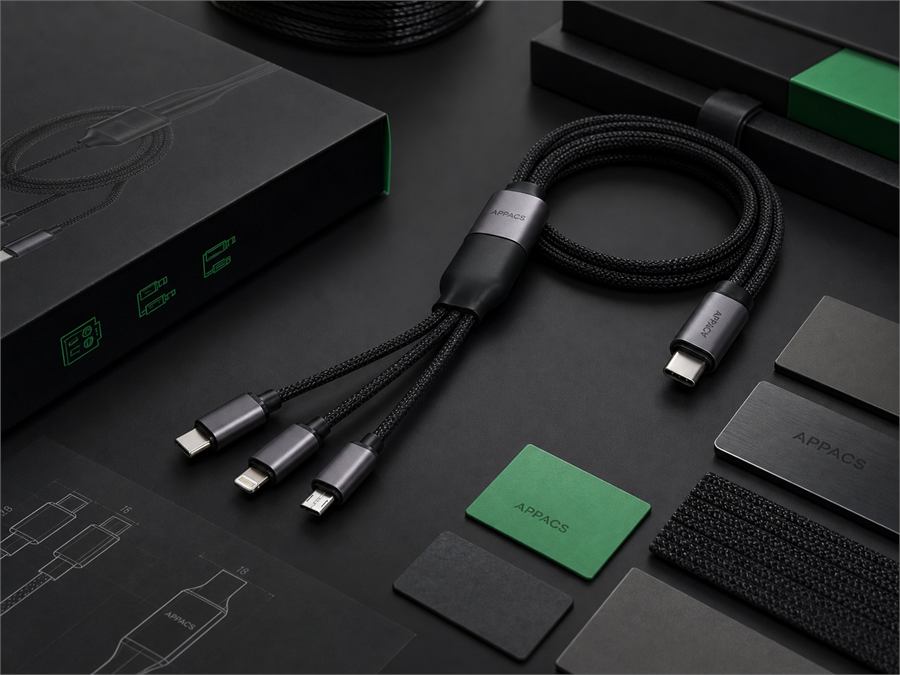
OEM/ODM USB cable projects are common for importers, distributors, private label brands, promotional gift buyers and e-commerce sellers. A standard cable may be enough for general resale, but customization can make a product easier to position in a specific market.
Customization can include logo, connector color, cable color, cable length, packaging, barcode label, retail box design, product bundle and even connector configuration. But a successful OEM/ODM project requires clear communication. The more precise the buyer's requirement, the easier it is for the factory to prepare samples, quote accurately and avoid changes during mass production.
This guide explains how overseas buyers should prepare a custom USB cable project before contacting a manufacturer.
Define the Product Before Discussing Customization
Customization should start with the base product. If the base model is unclear, logo and packaging discussions may happen too early.
Define:
- Product category
- Connector type
- Cable length
- Output requirement
- Cable material
- Connector housing material
- Color
- Data transmission requirement
- Packaging type
- Target quantity
- Target market
For example, a buyer may request a 3-in-1 fast charging cable with nylon braided cable, aluminum alloy housing, 1.2m length and custom retail box. This is much clearer than asking for a "custom charging cable."
Logo Customization
Logo customization is one of the most requested OEM services. Depending on the product design, logo can be applied to:
- Connector shell
- Cable organizer
- Package box
- Label
- Insert card
- Manual
- Outer carton
Buyers should prepare vector logo files when possible. The factory may need AI, PDF, SVG or high-resolution files depending on production method. Low-resolution screenshots are not suitable for professional logo application.
Before mass production, buyers should confirm:
- Logo size
- Logo position
- Logo color
- Printing or engraving method
- Visibility on material surface
- Sample approval photo
Experience note: logo placement can look different on flat packaging and curved connector housing. Always review a sample or mockup before approving production.
Color Customization
Cable color affects product positioning. White cables may feel clean and consumer-friendly. Black braided cables may feel durable and premium. Gray or metallic finishes can look more technical.
When customizing color, buyers should confirm:
- Cable jacket color
- Connector housing color
- Strain relief color
- Logo color
- Packaging color system
- Whether the supplier can match a Pantone reference
Small color differences may happen between materials. Aluminum alloy, plastic and braided nylon may not reflect color in the same way. Buyers should confirm whether the expected color is a strict match or an acceptable commercial range.
Cable Length and Structure
Cable length is not only a specification. It affects user experience, packaging size, shipping volume and retail positioning.
Common cable lengths include:
- 0.3m for compact travel or power bank use
- 1m for standard retail use
- 1.2m for flexible daily use
- 2m for home, office or bedside use
For APPACS U87-3in1, the provided product length is 1.2 meter, which is practical for daily charging and multi-device use. For custom projects, buyers should decide whether the market prefers compact, standard or extended length.
Cable OD also matters. A 3.8mm OD, for example, affects the perceived durability, flexibility and hand feel. If buyers are targeting premium retail channels, cable thickness and braid texture should be reviewed in sample testing.
Packaging Customization
Packaging is one of the most important parts of private label cable projects. A product can look completely different depending on packaging quality.
Packaging options may include:
- PE bag
- Blister package
- Paper box
- Hanging retail box
- Gift box
- Insert card
- Barcode label
- Multi-language label
- Carton mark
Before requesting packaging design, buyers should prepare:
- Logo file
- Product name
- Key selling points
- Barcode or SKU code
- Country-specific language needs
- Warning or compliance text, if required
- Product photo or rendering preference
- Package quantity per carton
Do not invent certification marks on packaging unless they are verified and applicable. Trustworthy packaging should be accurate, clear and aligned with the actual product.
Sample Approval Process
The sample process should be treated seriously. For OEM/ODM projects, buyers should review both product sample and packaging sample when possible.
Sample review checklist:
- Product appearance
- Cable length
- Connector fit
- Cable flexibility
- Charging behavior
- Logo position
- Logo clarity
- Packaging print
- Package size
- Label and barcode
- Color consistency
- Any scratches or assembly defects
If changes are needed, write them clearly. For example, "increase logo size by 10%," "move logo 3mm upward," or "change package background to matte black." Specific feedback is easier to execute than vague comments like "make it better."
Factory Testing and QC
Quality control should be included in OEM/ODM planning. Buyers can ask the manufacturer how products are checked before shipment.
Common QC items:
- Appearance inspection
- Connector alignment
- Cable length measurement
- Charging test
- Data test when applicable
- Packaging inspection
- Carton quantity check
- Shipment photo confirmation
For fast charging cables, test conditions should be clear. A cable advertised with high wattage should be checked with compatible charger and device combinations. Buyers should avoid broad claims that may create customer misunderstanding.
MOQ and Quotation Factors
MOQ depends on product type, customization level, packaging and material. A simple logo on an existing model may have a different MOQ from a fully customized package or special color order.
Quotation factors include:
- Product model
- Quantity
- Cable length
- Material
- Connector configuration
- Logo method
- Packaging type
- Sample requirement
- Shipping terms
- Destination market
When asking for a quote, provide quantity tiers if possible. For example: 1,000 / 3,000 / 5,000 pcs. This helps the supplier calculate more useful price options.
How to Prepare a Strong OEM/ODM Inquiry
A strong inquiry should include:
- Company type
- Target country
- Product reference
- Quantity
- Cable length
- Connector type
- Wattage requirement
- Logo file
- Packaging need
- Timeline
- Contact details
Example:
"We are a mobile accessories distributor in the UAE. We are looking for a private label 3-in-1 fast charging cable with black braided cable, aluminum alloy housing, 1.2m length and retail box. Please quote 1,000 / 3,000 / 5,000 pcs and advise sample process."
This type of inquiry gives the supplier enough information to respond professionally.
From Sample Approval to Bulk Production
For OEM/ODM USB cable projects, sample approval should be treated as the buyer's reference standard. Once the sample is approved, both sides should keep the product specification, logo placement, packaging artwork and color reference consistent during mass production.
A practical sample approval process normally includes several checks. First, confirm the base model and function. For example, if the product is a 3-in-1 cable, confirm the input connector, output connectors, charging behavior and whether data transmission is supported. Second, check the appearance. Review cable color, connector shell color, logo size, logo position, surface finish and braided texture. Third, check packaging. Confirm box dimensions, product name, barcode position, warning text, country-specific requirements and carton packing method.
Before bulk shipment, ask the supplier for a reasonable shipment inspection workflow. For many standard orders, this may include product photos, packing photos, carton photos and basic charging test references. For larger or more sensitive orders, the buyer may request a more formal inspection or third-party QC. The right level depends on order value, destination market and buyer risk tolerance.
The main goal is not to make the process complicated. The goal is to make the project traceable. When changes happen after sample approval, document them clearly. A small change in packaging size, cable length or connector shell color can affect the final customer experience. Good documentation helps the factory produce correctly and helps the buyer communicate internally with sales, purchasing and logistics teams.
This is why a strong OEM/ODM page should not only say "we support customization." It should explain the path from idea to sample, from sample to production, and from production to shipment inspection.
FAQ
What can be customized on a USB cable?
Common customization includes logo, cable color, connector housing color, cable length, packaging, label, barcode and product bundle.
Do I need a logo file before asking for a quote?
You can ask for a general quote first, but a vector logo file is helpful when preparing sample mockups and confirming production details.
Can packaging be customized for private label brands?
Yes, many USB cable manufacturers can support retail box, label, barcode and insert card customization. Buyers should confirm MOQ and artwork requirements.
How do I reduce risk in an OEM cable project?
Confirm the base product, approve samples, review packaging, document changes clearly and request shipment inspection photos before dispatch.
Conclusion
OEM/ODM USB cable customization works best when the buyer prepares clear product requirements and the factory responds with practical production guidance. Logo, color, length and packaging decisions should be confirmed during the sample stage, not after bulk production starts.
For private label brands and importers, the goal is not only to make a cable look different. The goal is to create a product that fits the market, communicates the right value and can be produced consistently.
CTA
Planning a custom USB cable project? Send APPACS your product reference, target quantity, logo requirement and packaging idea. Our team can help confirm the base model and prepare a quotation direction.
CTA Button: Contact Us Secondary CTA: Ask for Product Catalog
Back to Blog